
Crawl Space and Attic Mold in Gettysburg, PA
Mold under the floor or up in the roof can spread into your home without you ever seeing it. Our local mold specialist can clear it and pin down the leak, damp or poor airflow behind it.
What Causes Mold in the Attic
Mold in the attic often starts with warm, damp air rising out of your home and meeting a cold roof, rather than with a leak. In winter that moisture settles on the underside of the roof boards, and without enough airflow to dry them out, mold gets a foothold on the wood.
Most people rarely go up there, so attic mold can go unnoticed for a long time. These are the usual causes to look for, and fixing them is what makes mold remediation in Gettysburg last.
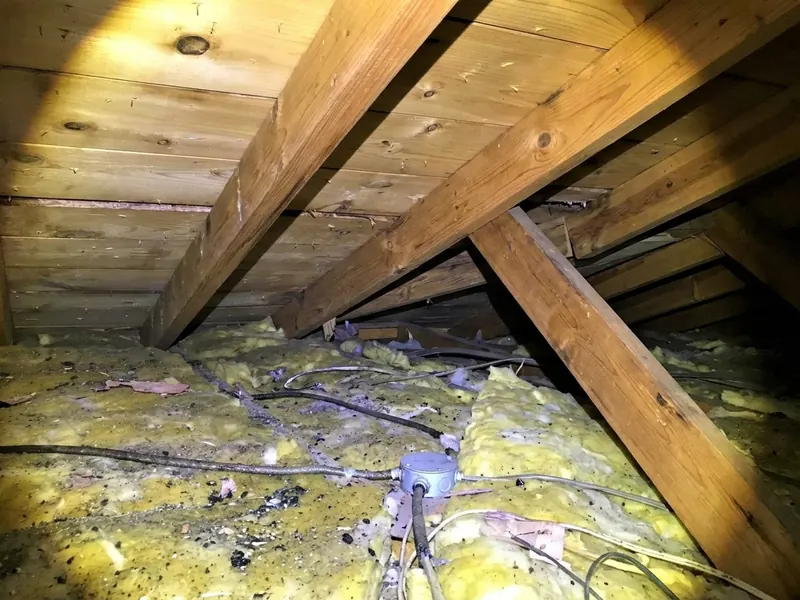
Bathroom fans venting into the attic
Fans that blow steamy air into the attic, instead of outside, soak the roof boards all winter.
Blocked or missing vents
Insulation pushed against the eaves can cover the vents that let damp air escape.
Warm air leaking up from below
Gaps around light fittings, pipes and the attic hatch let moist air from your rooms rise into the cold roof space.
Roof leaks
A lifted shingle or worn flashing lets rain soak into the wood long before you'd spot a stain on the ceiling.
White mold in the attic
White or gray fuzzy growth on roof boards is still mold, and it often points to condensation rather than a leak. Frost on the underside of the roof in winter is another clue that warm, damp air is getting up there.
What Causes Mold in a Crawl Space
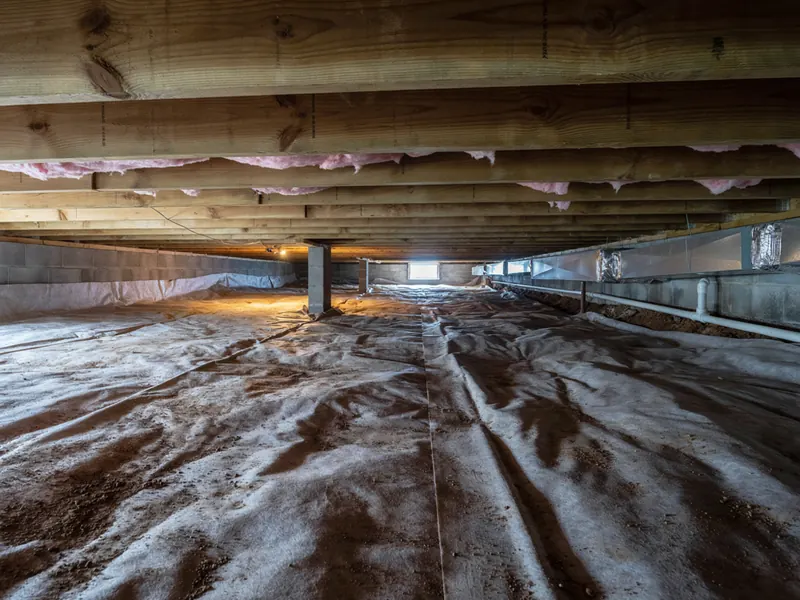
Mold in a crawl space usually comes from the ground. It's dark, cool and often damp down there, and because air moves up through a house, whatever is growing under the floor can end up in the rooms above. These are the most common reasons it grows.
A bare dirt floor
Soil gives off moisture all the time, and without a vapor barrier it rises straight into the joists. That's common under older houses with later additions.
Humid summer air through the vents
Warm, muggy air drifts in, cools down and turns to condensation on joists, pipes and ducts.
Hidden plumbing leaks
A slow drip from a pipe above can wet the crawl space for months before anyone notices.
Poor drainage outside
Gutters and ground that slope toward the house can leave standing water or soggy soil underneath.
Signs You Need a Crawl Space or Attic Mold Inspection
A crawl space mold inspection, or a look in the attic, is worth booking if you notice any of these, because the mold itself is usually out of sight. A mold inspection finds where it is and what's causing it before you pay for removal.
In the attic
- Dark stains or spotting on the roof boards
- Frost or water droplets on the roof in winter
- Damp, flattened or stained insulation
- A musty smell upstairs or when you open the hatch
In the crawl space
- A musty smell on the ground floor
- Insulation sagging or falling from the floor joists
- Damp, stained or soft wood under the floor
- Standing water or wet soil after rain
How Crawl Space and Attic Mold Removal Works in Gettysburg, PA
Crawl space and attic mold remediation is mostly about the moisture, because cleaning the wood without fixing the cause just resets the clock. Here's what a proper job looks like.
-
Step 1: Find the source of the moisture
Your specialist checks fans, vents, roof lines, pipes and the ground to find out what's feeding the mold, because that's what has to be fixed.
-
Step 2: Protect the rest of the house
The attic hatch or crawl space access is sealed off and air filters run, so spores don't get pulled into your rooms.
-
Step 3: Remove damaged insulation and debris
Wet or moldy insulation, old cardboard and debris are bagged and taken out, since mold soaks into them.
-
Step 4: Clean the wood properly
Roof boards, rafters and floor joists are physically cleaned, not just sprayed, so the growth is removed rather than hidden.
-
Step 5: Fix the cause and check it
The fan, vent, leak or ground moisture gets sorted, with a roofer or plumber where the fix needs one, and a final check confirms it's clean.
Fixing the Cause So the Mold Stays Gone
Once the mold is removed, the fix depends on where it was growing. Attic fixes are usually about airflow, while crawl space fixes are mostly about keeping ground moisture out.
Attic fixes
- Send bathroom and kitchen fans outside instead of into the attic
- Clear insulation away from the vents at the eaves
- Seal gaps around lights, pipes and the attic hatch
- Repair roof leaks and worn flashing
Crawl space fixes
- Cover bare soil with a plastic vapor barrier
- Deal with open vents that let muggy air in, often alongside a dehumidifier
- Repair leaking pipes above the crawl space
- Point gutters and ground slope away from the house
Not sure what's causing it?
Let us know where you've spotted the mold, and our local mold specialist will look at what's feeding it and give you a price for the work.
Crawl Space and Attic Mold Removal Cost in Gettysburg, PA
Attic mold removal usually costs $1,500 to $6,000, and crawl space mold removal $500 to $4,000, according to HomeGuide's 2026 figures. Big attic jobs, where access is tight or insulation has to be replaced, can reach $6,000 to $15,000.
Typical 2026 crawl space and attic mold costs
Sealing crawl space vents +$150 – $450National ranges, not a quote. Prices for other rooms are in the mold remediation cost guide.
Crawl Space and Attic Mold FAQs
Is mold in the attic serious?
Attic mold is worth dealing with, because it means moisture is getting where it shouldn't, and damp roof boards can start to rot. Attic mold rarely stays put either, since air moves between the attic and the rooms below.
Can I remove attic mold myself?
You can tackle a patch under about 10 square feet with detergent, gloves, goggles and an N-95 mask, but attics are hot, cramped and full of itchy insulation fibers. Anything bigger, or mold across the roof boards, is safer left to a professional.
What will kill mold in a crawl space?
Killing it isn't really the goal, because dead mold can still cause allergic reactions. It needs physically removing and the ground moisture brought under control, often with a vapor barrier and a dehumidifier, or it grows straight back.
Will insurance pay for mold in the attic or crawl space?
Everything hinges on the cause. Mold after a sudden roof leak or burst pipe is more likely to be covered than mold from poor ventilation or ground moisture, which policies usually treat as upkeep. It's worth checking how insurance treats mold in PA before you claim.
Should moldy attic or crawl space insulation be replaced?
In most cases it does, because insulation soaks up moisture and mold can't be cleaned out of it. EPA guidance says absorbent materials like this often have to be thrown away, so it's bagged up and replaced once the wood is clean and the moisture is fixed.
Get a crawl space or attic mold estimate
Tell us where the mold is and how to reach you, and we'll pass it straight to our local mold specialist, who'll get back to you about next steps and a price. Found mold in the basement too? Find out why basement mold keeps coming back, or if a leak or flood started it, see what to do about mold after water damage.
Call now (223) 747-0678 Mold remediation in Gettysburg and Adams County